Optimize Firewall Performance with SonicWall M.2 128GB Storage
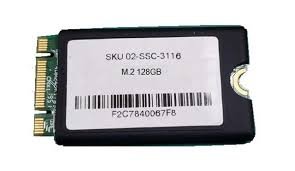
Installing a SonicWall M.2 128GB Storage Module is the fastest way to improve your firewall’s data handling. It provides the necessary headroom for complex security telemetry. Most engineers find that local storage is far more reliable than streaming logs to a remote server.
This industrial-grade SSD is designed specifically for the SonicWall Gen 7 architecture. It slots directly into the hardware, eliminating the need for external enclosures. You get a clean, compact setup that doesn’t clutter your server rack.
Network administrators often face challenges when managing logs on perimeter devices. Standard memory often runs out quickly during high-traffic periods. This 128GB M.2 module solves that problem by providing dedicated space for persistent data.
High-Speed On-Box Logging
Detailed logging is critical for troubleshooting connectivity issues and security breaches. Moving logs to an external server adds latency and consumes bandwidth across your LAN. This storage module allows your Gen 7 firewall to store massive log files locally for immediate access.
You can store days or even weeks of traffic data depending on your network volume. This data remains available even if the connection to your central management console is interrupted. It serves as a reliable black box for your network security events.
Enhanced Reporting and Analytics
Local storage enables the Capture Security Center to generate deeper insights. You can view historical traffic patterns directly through the firewall dashboard. This removes the need for expensive third-party reporting tools in smaller environments.
Analyzing threats becomes much faster when the data resides on high-speed flash storage. The SonicOS 7.0 firmware uses this space to index events efficiently. You can run complex queries without slowing down the primary packet inspection engine.
Improved Firmware and Signature Management
Modern security signatures require significant space for staging and updates. The 128GB capacity ensures you have enough room for multiple firmware versions. It also speeds up the update process by caching files locally before deployment.
Having a local backup of the previous firmware on the storage module provides a safety net. If an update fails, the system can revert to a known good state quickly. This redundancy is vital for maintaining uptime in mission-critical environments.
Reliable Performance for Gen 7 Hardware
SonicWall Gen 7 firewalls are designed for high-throughput environments. This SSD module keeps up with the demands of multi-gigabit traffic analysis. It uses a stable M.2 interface to ensure data integrity during power fluctuations.
The hardware is built to withstand the heat generated inside a high-performance security appliance. It features advanced wear-leveling algorithms to extend the life of the flash memory. This makes it a much better choice than standard consumer-grade storage.
Secure Your Network Infrastructure
Reliable storage is a core component of a strong security posture. If your firewall cannot log an event, that event effectively never happened in the eyes of an auditor. This module ensures every packet drop and threat detection is recorded safely.
If you are looking for a trusted SonicWall supplier in India, sourcing genuine components is vital. Authentic modules guarantee compatibility and long-term hardware support from the manufacturer. Non-certified storage often leads to system crashes or data corruption during critical updates.
Simple Installation Process
The hardware integration is straightforward for any technician. Most Gen 7 chassis, like the TZ or NSa series, feature a dedicated slot for storage expansion. Once installed, the SonicOS 7 interface recognizes the drive automatically without manual driver updates.
You simply need to enable the storage features in the management settings. The firewall will then begin migrating log files from the volatile RAM to the persistent SSD. This transition is fluid and does not require a system reboot in most cases.
Compliance and Data Retention
Many industries require 90 days of active logging for compliance audits. Storing this data on the firewall simplifies the reporting process. It ensures you meet regulatory standards without complex network configurations or cloud subscriptions.
For businesses in healthcare or finance, this module is a cost-effective compliance tool. It captures the granular details required by HIPAA or PCI-DSS. You can export these logs as needed for official documentation.
Technical Specifications Overview
- Capacity: 128GB High-Endurance Flash
- Form Factor: M.2 Type SSD
- Interface: Optimized for Gen 7 Hardware
- Usage: On-box logging, Local Reporting, Threat Caching
- Compatibility: TZ Series (Gen 7), NSa Series (Gen 7)
Reducing Management Overhead
Automating log rotation becomes easier when you have 128GB of headroom. You spend less time clearing alerts and more time optimizing network rules. The increased capacity prevents the firewall from overwriting critical events too soon.
Engineers can set longer retention periods for high-priority security events. This allows for better forensic analysis after a suspected intrusion attempt. It provides a clearer picture of how an attacker tried to move through the network.
Built for Durability
Standard consumer SSDs often fail under the constant write cycles of a security appliance. This module features industrial-grade controllers designed for 24/7 operation. It handles the continuous stream of security telemetry without degrading over time.
The SonicWall M.2 128GB Storage Module undergoes rigorous testing for thermal stability. It is rated for thousands of program/erase cycles. This ensures your data remains safe for years of continuous service.
Data Caching for Web Filtering
Caching frequently accessed web data improves the browsing experience for users. It reduces the time spent looking up reputations for known safe sites. This storage module acts as a high-speed cache for these reputation lookups.
When Content Filtering Service (CFS) is active, local caching reduces latency. The firewall doesn’t have to query the cloud for every single URL request. This results in a snappier internet experience for everyone on the network.
Localized Management for Remote Sites
For branch offices with limited bandwidth, local logging is the only viable option. Sending logs across a slow WAN link degrades application performance. This module allows remote sites to maintain detailed records without impacting the main connection.
Administrators can pull reports from remote firewalls only when needed. This on-demand approach saves bandwidth for business-critical applications like VoIP. It is an ideal solution for distributed enterprises with many small locations.

 Fast Air Cargo delivery
Reviews
Clear filtersThere are no reviews yet.