High-Density 100G Performance for Modern Data Centers
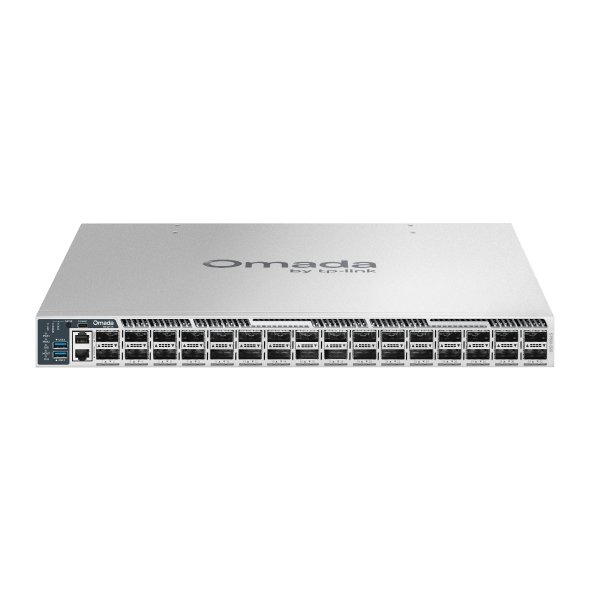
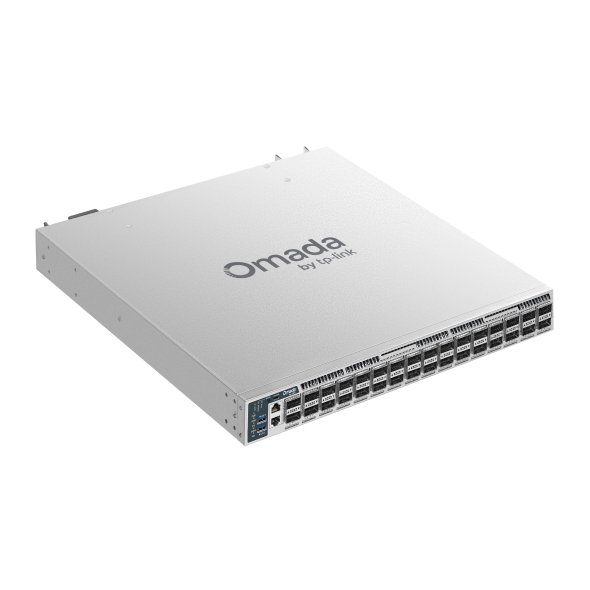
Network engineers today face massive pressure to handle skyrocketing data traffic and minimize latency. The TP-Link S7500-32C 100G Core Switch addresses these demands by providing 32 high-speed QSFP28 ports. Each port delivers 100Gbps throughput, creating a massive 6.4 Tbps total switching capacity.
This level of performance is necessary for spine-leaf architectures and high-traffic enterprise backbones. It eliminates bottlenecks that typically occur when moving large datasets or running high-performance computing clusters. You can depend on this hardware to keep your internal traffic moving at wire speed.
Advanced Layer 3 Routing and Reliability
Routing efficiency is at the heart of this switch. It supports a wide array of Layer 3 protocols including OSPF, BGP, and IS-IS for dynamic routing across complex environments. These features allow for better traffic path selection and improved network resilience.
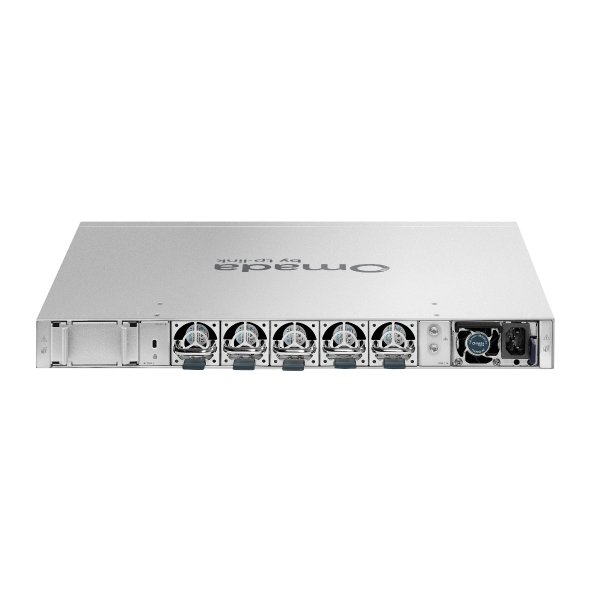
Redundancy is another core focus for this hardware. It features hot-swappable dual power supplies and intelligent fan modules. This design ensures that your network stays online even if a power component fails, which is vital for 24/7 operations.
If you are planning to upgrade your infrastructure and want to buy TP-Link networking products in India, this core switch is the highest tier of performance available. It bridges the gap between traditional enterprise gear and carrier-grade equipment.
Scalability for Growing Enterprise Environments
The TP-Link S7500-32C 100G Core Switch is built for horizontal scaling. As your data center grows, the high port density allows you to connect more leaf switches without exhausting your core capacity. This prevents the need for frequent and expensive forklift upgrades.
Virtualization is handled with ease thanks to VXLAN support. This allows for the creation of overlay networks, which simplifies the management of virtual machines across different physical hosts. It provides the flexibility required for modern cloud-native applications.
Intelligent Traffic Management and Security
Security at the core is non-negotiable. This switch provides advanced ACLs and IP-MAC-Port binding to prevent unauthorized access at the hardware level. It also includes DoS attack defense to maintain stability during malicious traffic spikes.
Quality of Service (QoS) features are highly granular. You can prioritize voice, video, or critical database traffic to ensure consistent performance during peak usage. This keeps your most important applications responsive regardless of total network load.
Simplified Management and Orchestration
Despite its high-end specs, managing the TP-Link S7500-32C 100G Core Switch is straightforward. It supports standard CLI interfaces that veteran engineers are already familiar with. It also integrates with SNMP for remote monitoring and alerting.
For organizations moving toward automation, the switch supports REST APIs. This allows your DevOps team to script network changes and integrate the switch into existing orchestration tools. It reduces manual configuration errors and speeds up deployment times.
Energy Efficiency and Thermal Control
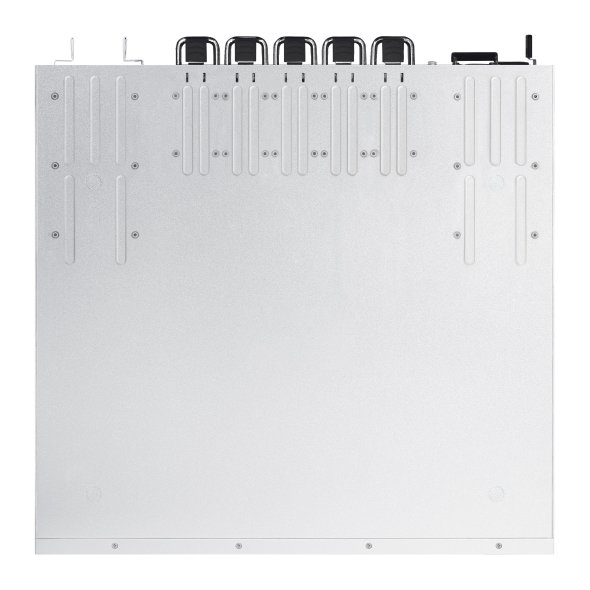
High-density 100G switches often generate significant heat. The S7500-32C uses an optimized front-to-back airflow design to keep internal temperatures low. This thermal management extends the life of the internal components and reduces cooling costs in the server room.
Energy-efficient technology is also built into the silicon. The switch dynamically adjusts power consumption based on port status and cable length. This helps lower your overall carbon footprint and operational expenses over the long term.
In conclusion, the TP-Link S7500-32C 100G Core Switch is a powerhouse designed for the most demanding environments. It provides the speed, reliability, and management features needed for a modern digital enterprise. Investing in this core hardware ensures your network is ready for the challenges of tomorrow.
 Fast Air Cargo delivery